Your Face Is Not Mostly About Skin. The Four Structures That Actually Change.
The changes that shape a man's face over time affect four distinct biological structures: bone, fat, muscle, and skin. Each begins at a different decade. Each responds to different treatments. Understanding the biology changes which treatment makes sense.
Elena Gorbunova
PA-C, Beauty Medica

- Male facial aging is not one thing.
- Bone, fat, muscle, and skin all change on different timelines.
- The right treatment depends on which structure is driving the visible change.
Why your face looks different
Most men assume the visible change is mostly skin. The reality is more structural than that. Bone support changes. Fat compartments shift and thin. Muscles keep shaping the face differently over time. Skin quality changes on top of all of it.
That is why the face can start looking older even when fitness, sleep, and general health are still strong.
When it starts
This process does not begin at 50. Collagen decline starts earlier. Subtle fat changes often become noticeable in the 40s. More visible structural change tends to register through the 50s and 60s.
The important point is that the biology is gradual, even if your awareness of it feels sudden.
The skeleton changes
The facial skeleton is not static. As support changes at the orbital rim, chin, and jaw, the overlying tissue reads differently. The jaw softens. The under-eye area looks more hollow. The whole face can feel less supported.
The fat shifts and thins
Fat does not just “disappear.” Distinct facial compartments thin and descend. That changes contour and makes the face read more tired or bottom-heavy depending on where the shift is happening.
The skin thins and accumulates damage
Skin quality still matters. Texture, sun damage, and collagen loss contribute to the overall read. But surface change is only part of the picture, not the whole story.
The muscles contribute
Movement patterns matter too. Clenching, jaw tension, forehead movement, and accumulated expression all shape how aging registers in the face over time.
What this means for treatment
Once the biology is understood, treatment logic becomes clearer. Structural loss needs structural support. Skin quality problems need skin treatment. Muscle-driven issues need neurotoxin or a functional plan. Good care matches the tool to the structure.
Why the order of treatment matters
If you treat the wrong layer first, the result feels underwhelming even when the treatment itself is good. That is why the assessment matters so much. The best plan starts with the lead driver and what will create the clearest improvement.
Elena Gorbunova
PA-C, Beauty Medica
PA-C, Beauty Medica
Related articles
Continue with another article from this section.
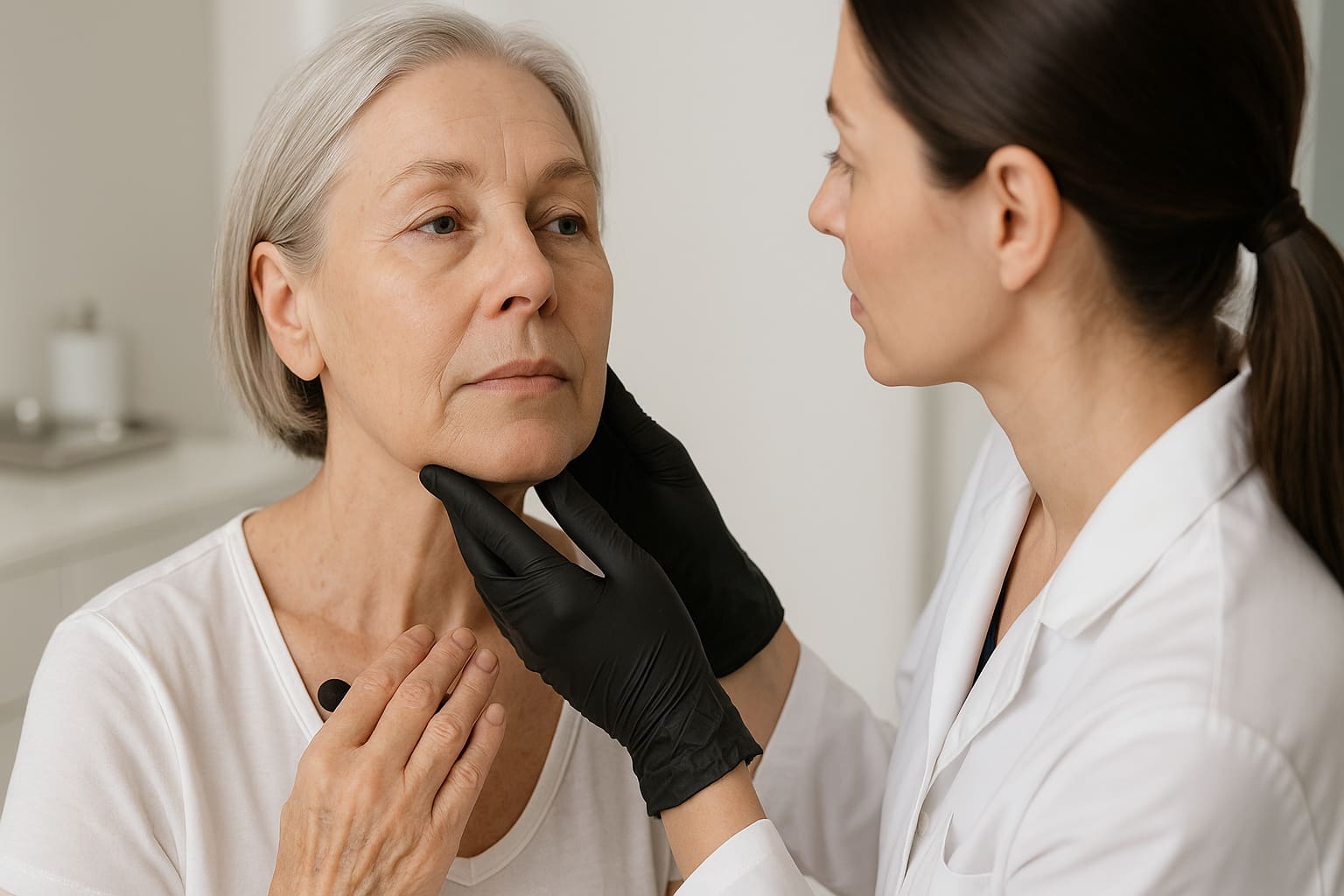
GLP-1 Face, Weight Loss, and Skin Quality: How to Support the Face Without Overfilling
A Beauty Medica guide to GLP-1 face, facial volume loss after weight loss, skin quality, Gouri, skin boosters, fillers, and conservative treatment …
Read article
Why Aesthetic Results Depend on Shared Vision, Not Just Products
Why credentials matter for safety, but artistry, listening, proportion, and shared aesthetic vision shape the final result.
Read article
Skin Boosters and Exosomes: What They Are, What They Are Not, and What to Ask First
A practical Skin Quality guide to skin boosters, exosomes, Gouri, Profhilo-style searches, hydration injections, texture, crepey skin, and …
Read article