Your First Filler Appointment Should Be Slow, Conservative, and Clear. Here Is Why.
A good first filler appointment should feel calm, informed, and conservative. Here's what usually happens, what's normal afterward, and which warning signs are not normal.
Elena Gorbunova
PA-C, Beauty Medica

- Your first filler visit should start with assessment and planning, not immediate injection.
- Mild swelling and bruising are common. The result is not fully settled the moment you leave.
- First-time filler is usually best when it's conservative.
- Severe pain, blanching, dusky skin changes, or vision symptoms after filler are urgent red flags.
Your first filler appointment should feel clear, not chaotic
Good filler appointments don’t start with a syringe. They start with a conversation.
If it’s your first time, you should expect the visit to be slower, more educational, and more conservative than what you might see in social media clips. That’s a good thing. Filler is not a race, and the safest first result is usually the one that still looks like you.
Filler is not a race, and the safest first result is usually the one that still looks like you.
The consultation comes first
Before anyone treats you, your provider should review:
- your goals
- your medical history
- previous cosmetic treatments
- areas of concern
- what kind of result you do not want
That last part matters. Some patients want subtle hydration or balance. Others are specifically afraid of looking puffy, overfilled, or obviously “done.” A good provider wants to hear that upfront.
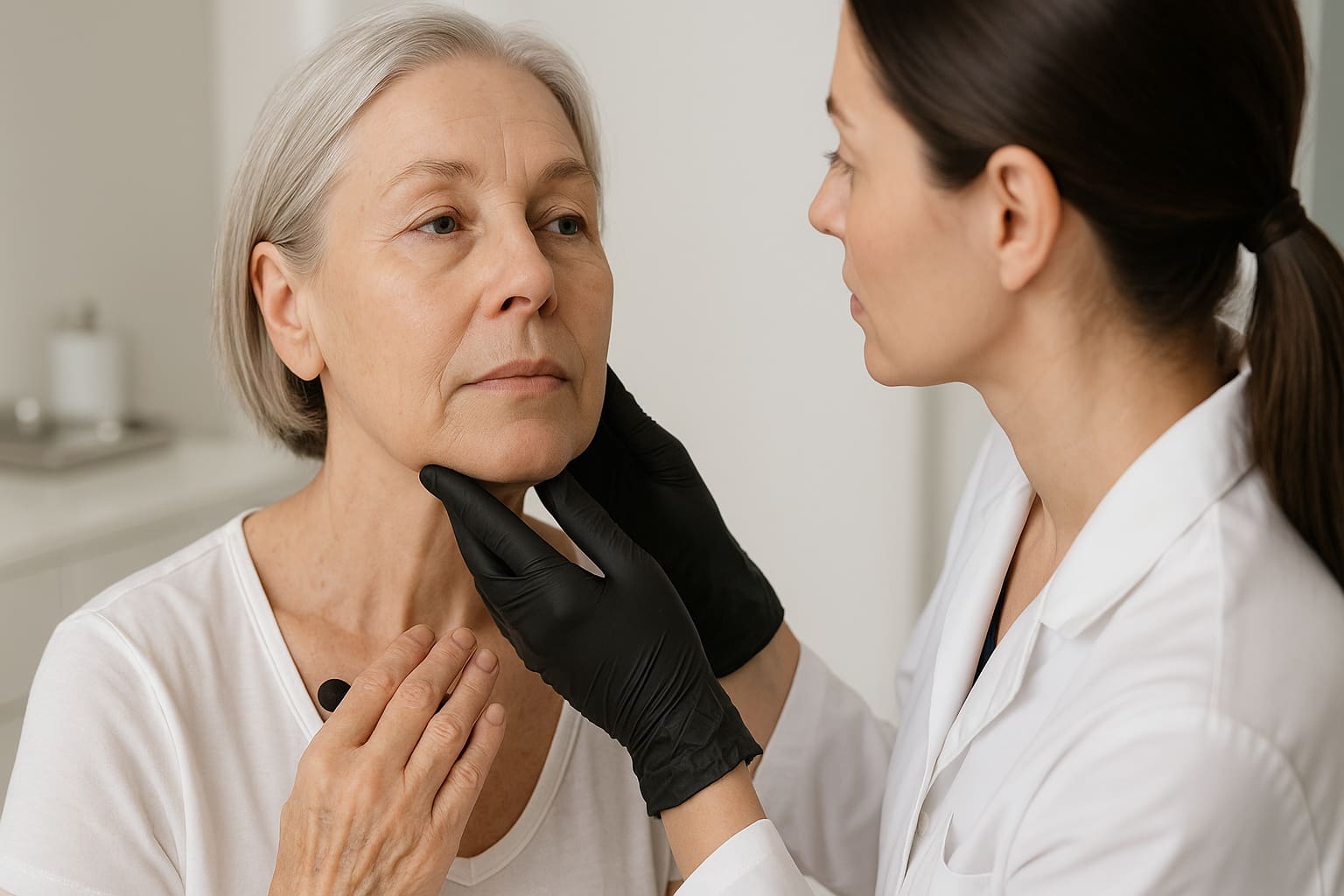
Expect a facial assessment, not just product selection
Filler isn’t simply about choosing lips, cheeks, or under-eyes from a menu. Your provider should be looking at facial balance, skin quality, movement, asymmetry, and whether filler is even the right answer for the concern you’re pointing out.
Sometimes the best consultation is the one where the provider tells you to do less, wait, or consider a different treatment first.

What treatment day usually looks like
Once the plan is clear, the appointment often includes photographs, skin prep, and discussion of comfort measures. Depending on the area, numbing may be used. During treatment, many providers work gradually so they can reassess as they go.
That matters because filler should be built with restraint. Especially for a first visit.
What feels normal right after filler
Mild to moderate swelling can happen. So can tenderness, a little firmness, and bruising. The treated area may look uneven at first simply because tissue reacts to being injected.
That early phase is not the final result.
For many patients, the appearance settles over several days to two weeks, depending on the area treated and how much swelling you get.
What is not something to brush off
This part matters.
The FDA warns patients to seek prompt medical attention if they have symptoms that could suggest a vascular problem after filler. That can include:
- severe or worsening pain
- skin that turns pale, blotchy, gray, or dusky
- unusual coldness in the area
- changes in vision
Those are not “wait and see” symptoms. They need urgent evaluation.
Why first-time filler should usually be conservative
This is one of the best rules in aesthetics: you can always add later.
First-time patients often do best with a measured plan because it gives the provider a chance to see how your tissue responds, how you heal, and whether the amount chosen actually matches the look you wanted. Going too far too fast is how patients end up feeling unlike themselves.
Good questions to ask before you leave
Before you walk out, make sure you know:
- what product was used
- what normal healing should look like
- when to follow up
- which symptoms are urgent
You should never be sent home with a vague “you’ll be fine” and no specifics.
What good care looks like
Your first filler appointment should feel thoughtful and medically grounded. You should know what is being used, why it’s being used, what normal recovery looks like, and what warning signs are not normal.
If the plan is clear and conservative, that’s usually a very good sign.
Elena Gorbunova
PA-C, Beauty Medica
PA-C, Beauty Medica
Related articles
Continue with another article from this section.
GLP-1 Face, Weight Loss, and Skin Quality: How to Support the Face Without Overfilling
A Beauty Medica guide to GLP-1 face, facial volume loss after weight loss, skin quality, Gouri, skin boosters, fillers, and conservative treatment …
Read article
Why Aesthetic Results Depend on Shared Vision, Not Just Products
Why credentials matter for safety, but artistry, listening, proportion, and shared aesthetic vision shape the final result.
Read article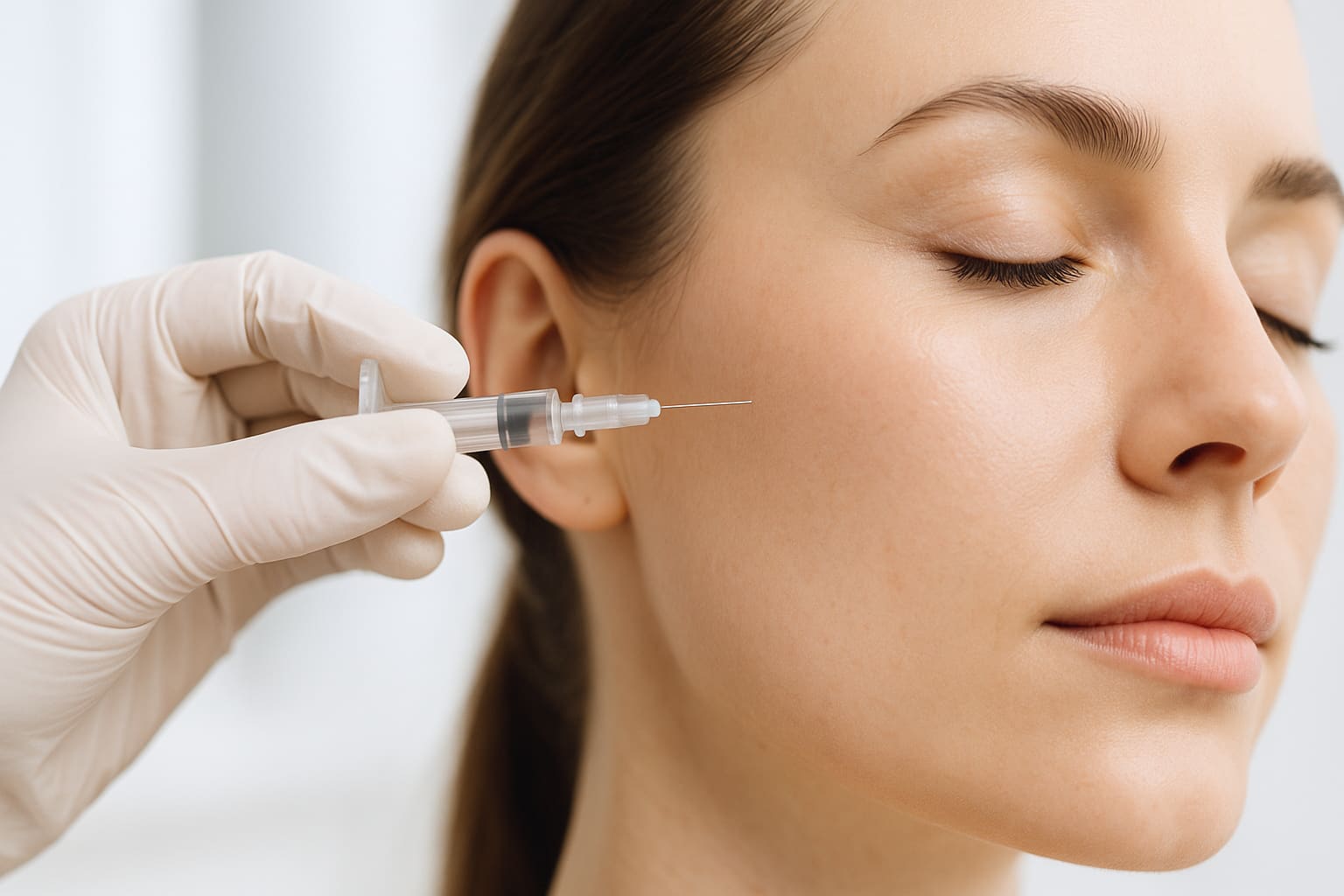
Skin Boosters and Exosomes: What They Are, What They Are Not, and What to Ask First
A practical Skin Quality guide to skin boosters, exosomes, Gouri, Profhilo-style searches, hydration injections, texture, crepey skin, and …
Read article