Results, Explained Clearly
What Natural-Looking Results Usually Mean Here
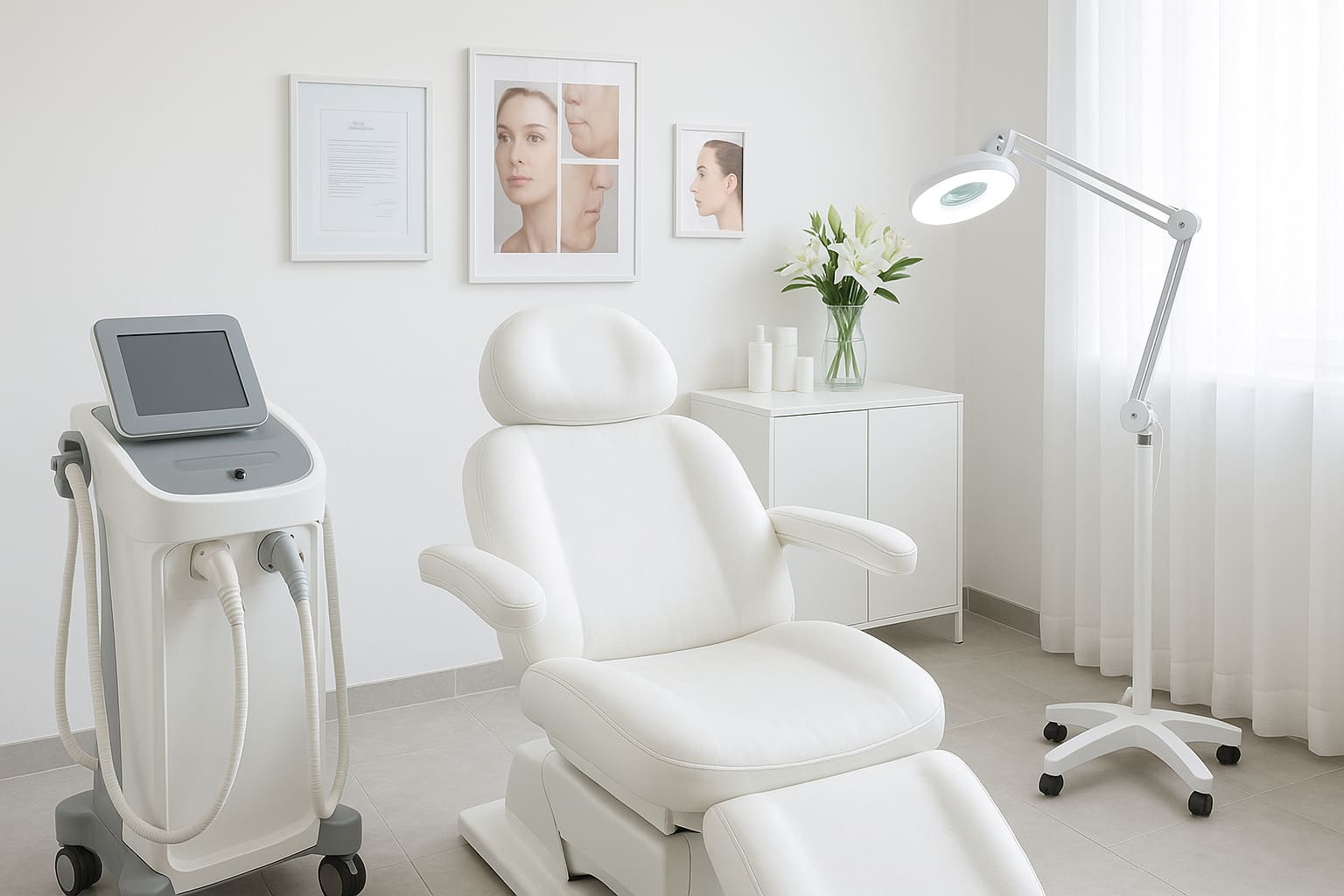
Most Beauty Medica patients are not chasing transformation. They want to look fresher, more balanced, and more like themselves again. Start with what you want to improve, browse the treatment type that fits, or book a consultation for a clearer read.
Choose a Starting Point
Three Clear Ways to Keep Going
Concern path
Start with what you want to improve
Treatment path
Browse by treatment type
Direct action
Book or keep exploring
Treatment Types
What Patients Usually Want to Restore
These are the most common treatment types behind the result goals patients usually care about most.
Neuromodulators
Common examples: softer forehead lines, less visible 11s, reduced crow's feet, lip flip refinement, and TMJ relief. Typical goal: a more rested expression that still moves naturally.
Hyaluronic Acid Fillers
Common examples: cheeks, jawline, chin, tear trough, temples, lips, and selected mouth-area support when true support loss is part of the problem. Typical goal: restored definition and balance, not volume for its own sake.
Radiesse
Common examples: deeper structural support in the chin and lower face when a more structural product conversation belongs in the plan.
Sculptra
Common examples: gradual restoration when broader collagen support and longer-view planning make more sense than chasing a quick fix.
Laser
Common examples: resurfacing, pigment correction, scar improvement, and collagen-focused treatments. Typical goal: clearer, smoother, more even skin.
Skin Quality
Common examples: peels, skin boosters, injected skin-support therapies, and skin-quality planning. Typical goal: better texture, pores, tone, hydration, firmness, and smoother lines.
Chemical Peels
Common examples: dullness, superficial pigment, rough tone, and selected skin-first resurfacing plans.
Threads
Common examples: selective support conversations when tissue descent is truly part of the read, not as a default answer.
How Beauty Medica Translates Concerns Into Results
Patients usually describe a feeling. Consultation identifies the driver and defines what a believable outcome looks like.
| What Patients Usually Notice | What Your Clinician Identifies | What the Result Usually Means |
|---|---|---|
| My expression looks tense, worn, or less rested than I feel. | Expression, under-eye hollowing, mid-face support loss, or skin quality may be driving the read. | A more rested expression, better support, or healthier skin, depending on which concern leads. |
| My jawline or lower face looks softer. | Structure may have shifted, tissue may have descended, or both may be involved. | A profile that reads cleaner, stronger, and more like your face again. |
| My mouth area looks more lined, flatter, or older than the rest of my face. | The clinician sorts upper-lip lines, border loss, mouth-corner pull, dehydration, and true volume loss before recommending neuromodulators, filler, or skin treatment. | A mouth area that looks fresher, softer, and more believable on your face. |
| My skin looks dull, uneven, or suddenly older. | Pigment, dehydration, barrier disruption, collagen decline, or hormonal change may be leading. | Skin that looks clearer, more even, more hydrated, and more resilient. |
| I am not sure what I need. I just know something shifted. | The clinician sorts what is real, what can wait, and what first move will make the biggest difference. | A plan that feels proportionate, believable, and easier to understand. |
How Patients Describe the Change
Real patient feedback about looking more rested, more balanced, and more like themselves again.
“I came in expecting to be told I was too late. Beauty Medica built a plan that felt practical and realistic. Six months in and I look like me again, a better-rested version.”
“After my second pregnancy, my skin was completely different. Dull, uneven, tired-looking no matter how much sleep I got. A peel and skin-hydration series brought my skin back. I look like me again.”
“I kept thinking I was too late to start. Beauty Medica showed me what was possible, nothing dramatic, just restoring what time had taken. I look like myself again.”
What Patients Usually Ask About Results
Why are there not more before-and-after photos here?
Beauty Medica only publishes real patient photography with explicit written consent. Until that library is ready, the site would rather explain clearly what each category can and cannot do than imply proof with stock-style placeholders.
How long does it take to see results?
It depends on the treatment. Neuromodulators usually begin in three to five days and settle fully at two weeks. Filler can show structure immediately but still refines as swelling settles. Laser and skin-rejuvenation plans often build over a series, with each session improving tone, texture, or clarity over time.
What does natural-looking actually mean?
Natural-looking means your expression still looks like you, your proportions still fit your face, and the improvement reads as rested, balanced, or healthier rather than obviously treated. Beauty Medica protects continuity, not just change.
Can one concern need more than one category?
Yes. That is one of the main jobs of the consultation. The main reason behind the concern is clarified first, then the plan explains whether one category is enough or whether a phased combination protects the result better.
What if a treatment is not actually right for me?
You will be told directly. Some concerns are better addressed by a different category, a different sequence, or by waiting. Clear no's are part of how good results are protected.
Want to Know What Fits Your Goal?
A consultation clarifies whether your concern is best addressed with neuromodulators, fillers, laser, skin quality, or a phased combination built around your anatomy.