Laser
Correct, Resurface, and Rebuild, With Clinical Precision.
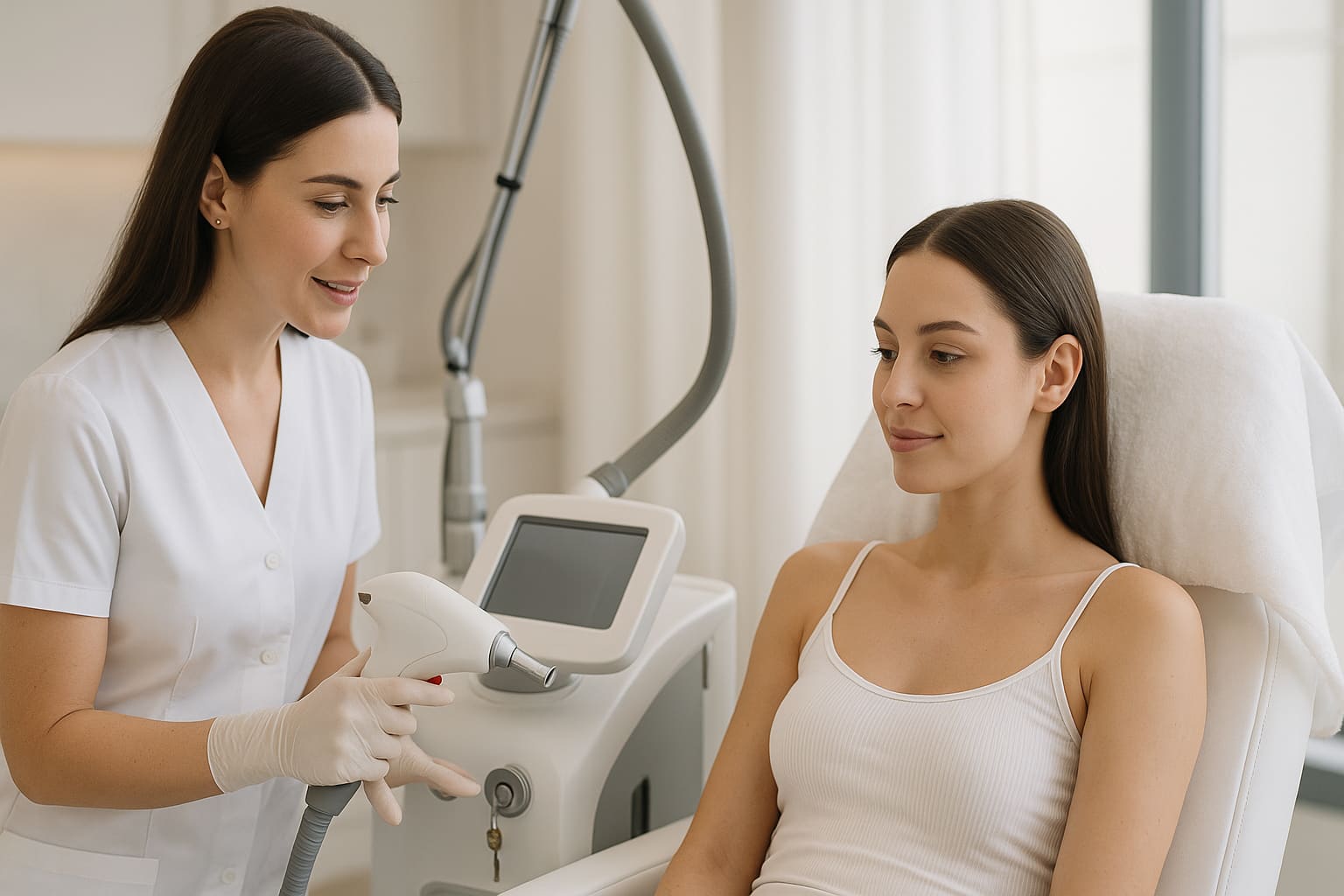
Laser treatments work at the cellular level, targeting pigment, texture, scarring, and collagen renewal. They only deliver safe, effective results when the right device is matched to the right skin type with the right settings. A proper skin assessment before every session is not optional. That is where we always start.
What We Treat
A Clinically Calibrated Range of Laser Applications
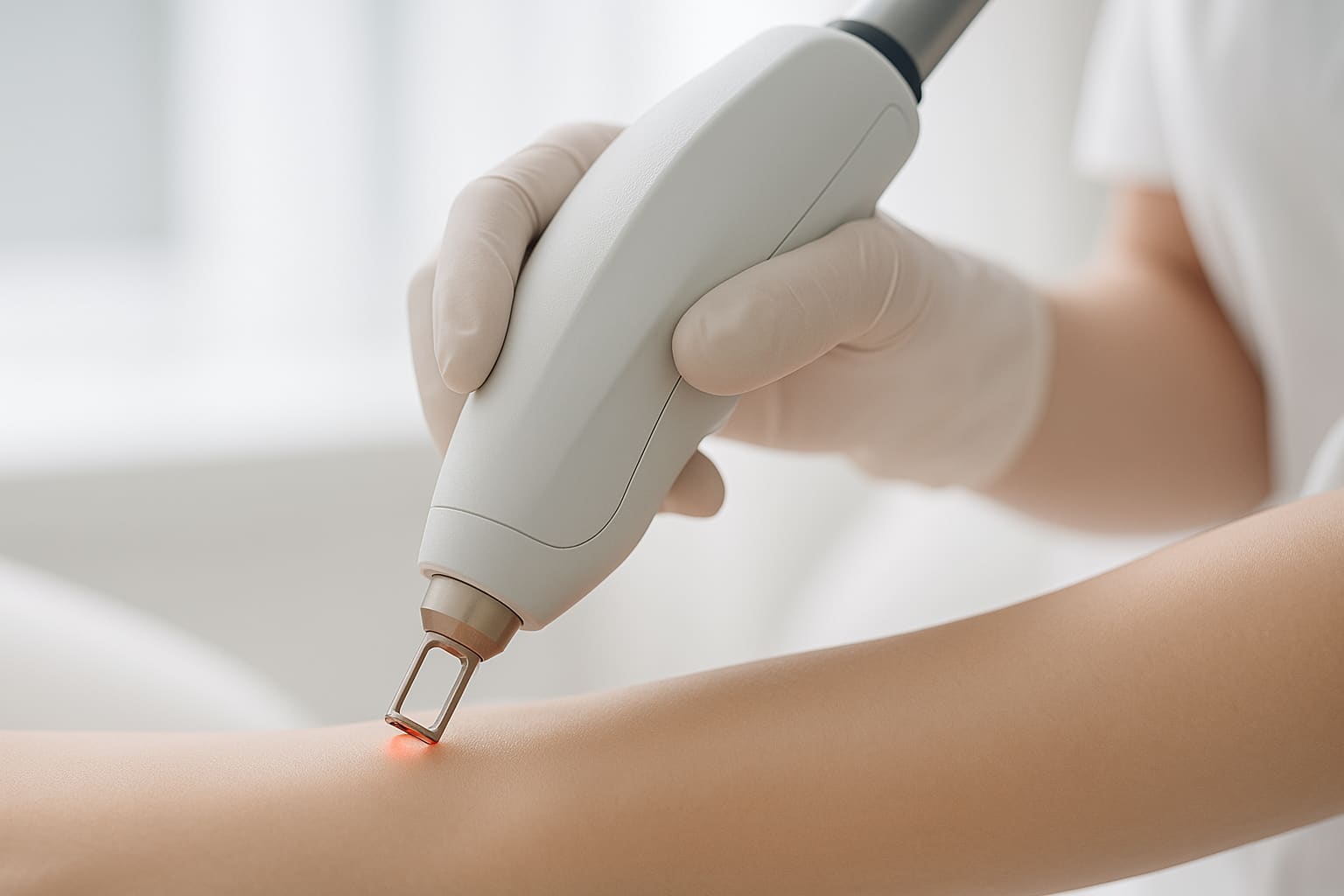
Laser protocols are individually designed for each patient's skin tone, concern history, and goals. Safe and effective treatment requires calibration to your Fitzpatrick skin type, not a one-size protocol applied to everyone.
- Skin resurfacing for texture refinement and pore reduction
- Pigmentation and sun damage correction
- Scar appearance improvement
- Collagen stimulation and skin tightening
The Full Treatment Map
Explore Treatment Types
This page covers one part of the broader Beauty Medica treatment system. Compare the main treatment types and the ones most often paired with this one.
Neuromodulators
Botulinum toxin treatments used for forehead lines, glabellar lines, crow's feet, selected lip-line support, and other movement-driven concerns.
Hyaluronic Acid Fillers
Used for lips, chin support, jawline contour, under-eye hollowing, and other support-led concerns when hyaluronic acid filler is the right fit.
Radiesse
Radiesse belongs in structure-first planning when projection, support, contour restoration, or firmer structural support is the real problem.
Sculptra
Sculptra belongs in selective restoration planning when Elena wants a longer-view collagen-building approach instead of a simple same-day filling move.
Threads
Threads are considered selectively and usually only after the main reason behind the concern is clear.
Laser
Laser protocols are chosen for the concern, the skin type, and the degree of resurfacing that fits the plan.
Chemical Peels
Peels are used when controlled exfoliation and resurfacing are the safer or smarter first move.
Skin Quality
Used when the skin itself is the lead concern, whether the goal is restoration, clearer texture, better tone, improved hydration, or preventive support.
Skin Boosters
A modality for skin resilience, hydration, collagen quality, and elastosis when topical care alone will not move the concern enough. Gouri is the named option when collagen-led skin quality is the issue; exosomes, Profhilo/Profilo, peptides, growth factors, and related cocktail language stay inside the same consultation frame.
Mesotherapy
Mesotherapy is treated as a delivery concept rather than one product. The visit sorts whether hydration support, collagen support, peptides, exosomes, Gouri, resurfacing, home care, or no injection is the best fit.
Suggested Next Steps
Often Paired With This Treatment
These combinations are common when Beauty Medica is building a sequenced plan instead of treating one issue in isolation.
How this connects
Skin-quality concerns that often lead into laser
Laser stays inside resurfacing and skin-quality logic here, with named product visibility only where it truly fits.
Often first
1 optionOften paired
5 optionsCondition
Photoaging
Resurfacing often leads when sun damage is cumulative.
See how this fitsConcern
Pore Appearance
Pore appearance usually improves through resurfacing.
See how this fitsConcern
Skin Quality Loss
Often paired when resurfacing is needed too.
See how this fitsCondition
Solar Elastosis
Laser often helps when texture and collagen damage need resurfacing support.
See how this fitsConcern
Tone
Laser is often used when tone needs resurfacing help.
See how this fitsSometimes relevant
2 optionsCommon area-led entry points
Named options discussed here
The Laser Treatment Process
Safety-first planning for predictable, consistent outcomes.
1. Skin Assessment
We assess skin type, Fitzpatrick classification, concern history, and candidacy for each protocol before selecting any device or setting.
2. Patch Test (if indicated)
When appropriate, patch testing confirms safe and effective parameters for your skin before a full treatment session.
3. Comfortable Session
Topical numbing and protective eyewear are used as needed. Sessions range from 15 to 60 minutes depending on modality.
4. Aftercare and Progress
Results build over a series with clear post-care guidance between sessions. We monitor your skin's response and adjust as needed.
15-60
Minute sessions
Safe
For all skin tones
3-6
Sessions typical
Consult
Protocol matched to your skin
Laser Treatment FAQ
Evidence-based answers before your first session.
Is laser safe for darker skin tones?
Yes, with the right device and the right settings. Protocol and device selection are assessed individually. We never apply a standard setting to all patients.
How many sessions will I need?
Most concerns improve over a series. Exact session count depends on your treatment goals, skin response, and the modality being used.
Does laser hurt?
Most patients describe warmth or brief snap sensations. Numbing options are available for more intensive protocols.
Can I tan before treatment?
No. Active tanning before and after sessions significantly increases risk. We'll discuss your sun exposure history and pre-treatment timing at your consultation.
What is downtime like?
It ranges from minimal redness resolved within hours to several days of surface healing, depending on treatment depth and your skin's response.
Why does medical-grade laser planning matter?
Laser safety depends entirely on the right device, the right settings, and the right training, all calibrated to your skin tone. A complimentary consultation determines whether laser fits your concern, which protocol belongs in the plan, and how to time treatment safely around recovery and sun exposure.
Start With a Laser Assessment
A skin assessment determines which protocol fits your concerns, skin type, and treatment timeline, not a generic recommendation.