Phased Planning
Face, Neck, and Hands Need One Plan.
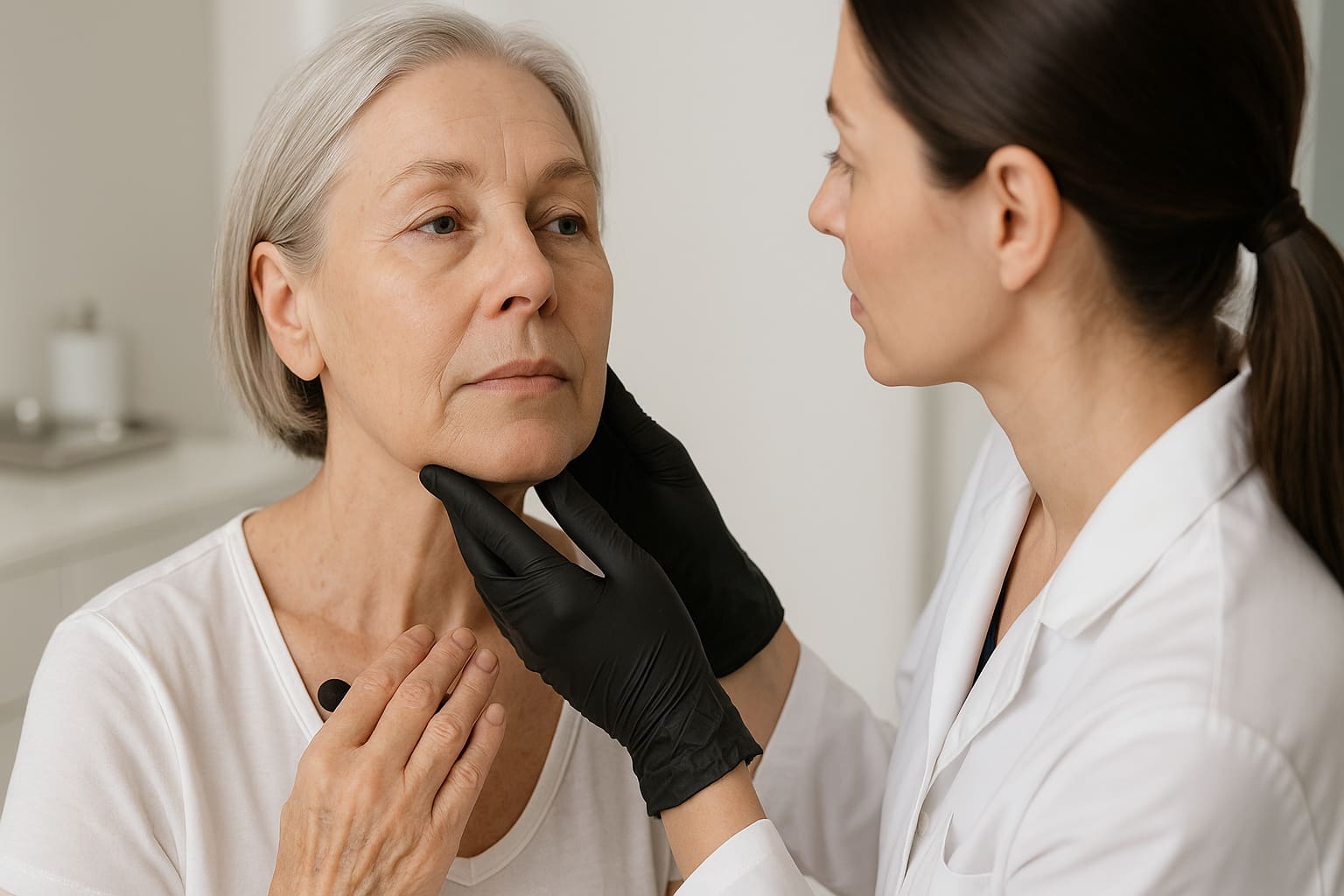
The face, neck, and hands are often judged together. Your clinician assesses all three and builds a phased protocol that restores continuity, whether you want to address everything at once or begin with the area that matters most now.
What We Treat
Why These Areas Are Planned Together
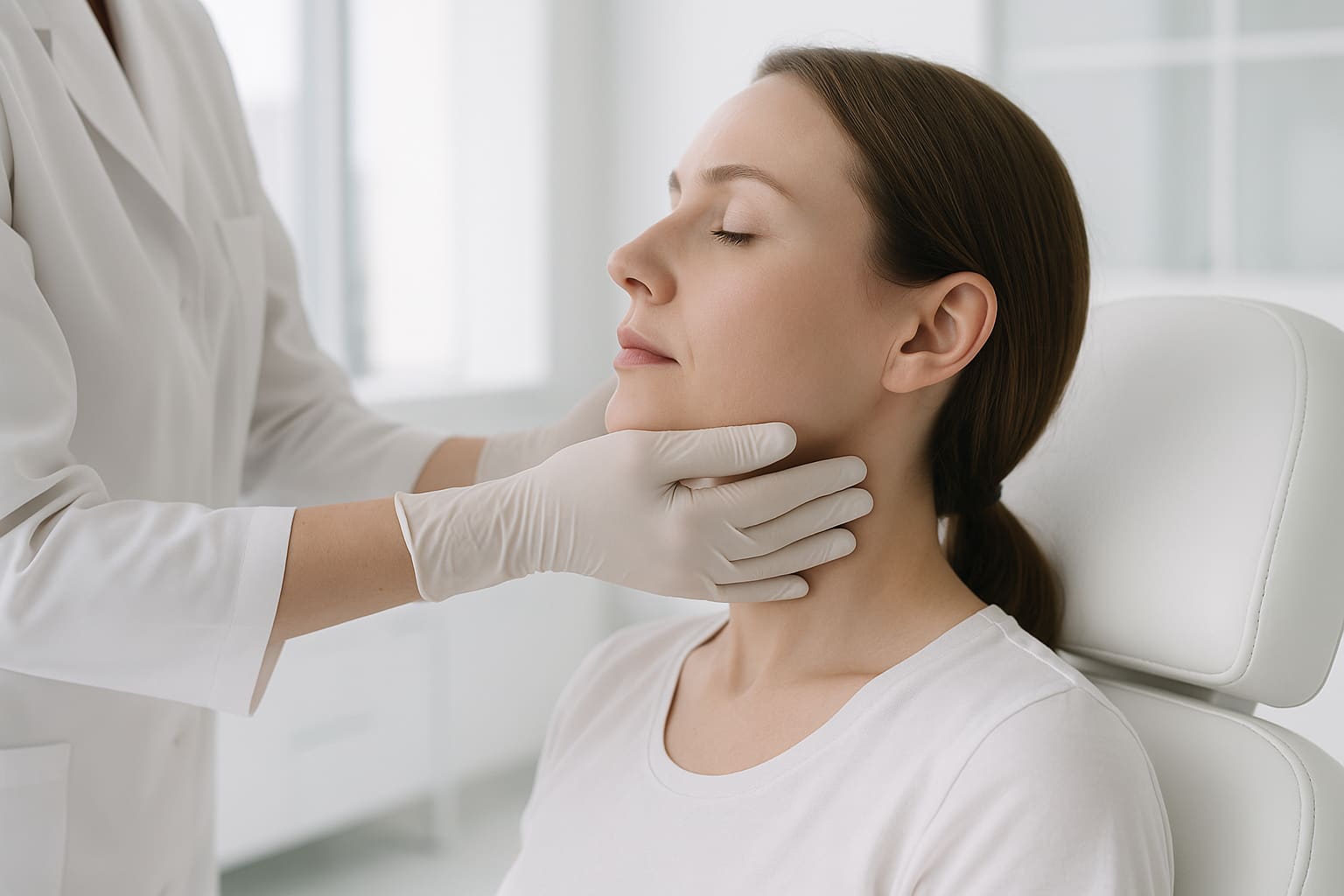
Each zone has its own anatomy, but the outcome is read as one visible system. Your clinician evaluates skin quality, support, and proportion across all three areas before making any recommendation.
- Fine lines, crepey texture, and skin-quality changes across the face
- Jawline and lower-face definition support
- Neck creasing, banding, and skin laxity
- Volume, texture, and hydration changes in the hands
- Neck and lower-face profile refinement
- Thread lifts for soft tissue laxity, early jowling, and visible facial descent
- Combination protocols for balanced, natural-looking outcomes
Before You Book a Phased Plan
Face, neck, and hand rejuvenation is usually the right move when: more than one zone is showing age and treating only one would leave the result feeling incomplete.
Strong candidates often notice:
- the face improving while the neck or hands still give away age
- neck texture, lower-face changes, and hand aging happening together
- soft tissue laxity, early jowling, or facial descent that has changed the profile
- a need for a staged plan rather than a single isolated procedure
A phased plan is usually not the first move when: one single concern is clearly dominant and can be solved more cleanly by one category first.
Your clinician redirects first when:
- one priority zone needs clearer evaluation before expanding the plan
- scope or timing makes a staged single-area start more realistic
- volume loss is the primary driver; filler addresses that more directly than threads
- the visible issue is really one treatment category, not a whole-system concern yet
Typical recovery: depends on which modalities are included.
What most patients should expect:
- the plan is usually phased specifically to keep downtime manageable
- thread lifts typically add 2–5 days of tenderness and mild swelling when included
- social recovery is often tied to the filler, laser, or skin component chosen for each zone
- results build more naturally when treatment is sequenced rather than stacked aggressively
Typical cadence: 2 to 4 sessions to build the plan, then maintenance by zone.
How your plan is typically structured:
- the face, neck, and hands do not always need the same modality or the same schedule
- thread lift results are typically visible for 12 to 18 months; refresh timing is planned at your consultation
- maintenance is based on the lead concern and what you want to preserve most
- the goal is continuity without overtreating every zone at every visit
Need a Guided Route First?
These Paths Usually Lead Into Phased Planning
If you know more than one zone matters but do not yet know which area to start with, these guided choices clarify whether a broader phased plan is the right first move.
The Full Treatment Map
See the Full Rejuvenation Map
This page covers one part of the broader Beauty Medica treatment system. Compare the main treatment types and the ones most often paired with it.
Neuromodulators
Botulinum toxin treatments used for forehead lines, glabellar lines, crow's feet, selected lip-line support, and other movement-driven concerns.
Hyaluronic Acid Fillers
Used for lips, chin support, jawline contour, under-eye hollowing, and other support-led concerns when hyaluronic acid filler is the right fit.
Radiesse
Radiesse belongs in structure-first planning when projection, support, contour restoration, or firmer structural support is the real problem.
Sculptra
Sculptra belongs in selective restoration planning when Elena wants a longer-view collagen-building approach instead of a simple same-day filling move.
Threads
Threads are considered selectively and usually only after the main reason behind the concern is clear.
Laser
Laser protocols are chosen for the concern, the skin type, and the degree of resurfacing that fits the plan.
Chemical Peels
Peels are used when controlled exfoliation and resurfacing are the safer or smarter first move.
Skin Quality
Used when the skin itself is the lead concern, whether the goal is restoration, clearer texture, better tone, improved hydration, or preventive support.
Skin Boosters
A modality for skin resilience, hydration, collagen quality, and elastosis when topical care alone will not move the concern enough. Gouri is the named option when collagen-led skin quality is the issue; exosomes, Profhilo/Profilo, peptides, growth factors, and related cocktail language stay inside the same consultation frame.
Mesotherapy
Mesotherapy is treated as a delivery concept rather than one product. The visit sorts whether hydration support, collagen support, peptides, exosomes, Gouri, resurfacing, home care, or no injection is the best fit.
How this connects
When the plan widens beyond one concern or one tool
Phased planning stays tied to the concern graph so it feels like a coordinated next step, not a vague catch-all page.
Often paired
2 optionsSometimes relevant
1 optionHow the Plan Comes Together
A practical roadmap from assessment to long-term maintenance.
1. Full Assessment
We evaluate facial structure, neck skin quality, and hand texture across all three zones before recommending any treatment.
2. Area-by-Area Plan
Each zone receives a tailored recommendation, modality, sequence, and timing matched to your priorities and your schedule.
3. Staged Treatment
Care is phased for safe progression and natural-looking results building over time rather than appearing all at once.
4. Maintenance Strategy
You receive a maintenance cadence to preserve results without overtreatment, designed for your biology and your schedule.
30-60
Minute sessions
0-5
Days downtime (varies by modality)
4-12
Weeks to full results
3
Zones treated in one plan

For Men
Face, Neck, and Jaw: Phased Planning for Masculine Results
For men, phased planning often addresses the places that read together: the jaw, the neck, and the skin quality that completes the profile. Treating one area in isolation can leave the result feeling incomplete. A well-structured plan sequences neuromodulators for the neck and jaw, structural filler for the mandible and chin, and skin treatments for surface quality. When tissue has descended, thread lifts can reposition the midface and jawline without surgery. Results are built across a series so each step looks natural and each zone stays in proportion.
- Jaw and neck aging addressed together: neuromodulators, filler, and skin in the right sequence
- Thread lifts: non-surgical repositioning for tissue descent and early jowling
- Chin and mandible definition: structure and profile treated as one system
- Neck bands and skin laxity: platysmal neuromodulators and skin treatments combined
- Sun damage on face, neck, and hands: laser or skin protocols phased into the plan
- No over-treatment: each visit addresses what matters most now
Face, Neck & Hand Rejuvenation FAQ
Straight answers before you commit to a protocol.
What are thread lifts?
Thread lifts use dissolvable sutures placed beneath the skin to mechanically reposition soft tissue that has descended with age. The threads dissolve over several months, but the collagen response they stimulate extends the result. They are best suited for patients with tissue laxity and early facial descent. Volume loss or skin-quality concerns are better addressed by other tools in this category.
How long do thread lift results last?
Most patients see results for 12 to 18 months. The threads dissolve, but the collagen stimulation they trigger extends the visible effect. Maintenance timing varies by anatomy and the zone treated. Your clinician maps the refresh window at your initial consultation.
Threads or filler: which is right for me?
They solve different problems. Filler restores volume and support that bone and fat loss have reduced. Threads reposition tissue that has descended. Some patients benefit from both in the right sequence. Using the wrong tool for the wrong problem produces a result that does not address what is actually causing the change. Accurate diagnosis always comes first.
Who is a strong candidate?
This can fit when skin quality, facial definition, neck texture, or hand appearance has changed and you want natural-looking improvement without surgery. We treat patients across a wide age range and tailor the pace to the degree of change you want to address.
Will results look natural?
Yes. Treatment plans are built to restore balance and freshness, not to make you look like you've had work done. The goal is always to look like a healthier version of yourself.
How many sessions are typical?
Most plans include 2-4 sessions depending on the area, modality, and starting point. Your clinician maps out the full sequence at your consultation so you know what to expect.
Does it hurt?
Most patients describe treatment as tolerable, mild warmth, pressure, or brief sensitivity depending on the modality. Topical numbing is used for more intensive protocols.
Do I need to treat face, neck, and hands all at once?
No. Many patients start with one priority area and phase in additional zones over time, as schedule, priorities, and results allow.
How is this different from spa treatments?
Medical assessment and individualized treatment planning are the foundation. Protocols are selected based on your anatomy and skin biology, not from a generic menu. Outcomes are monitored and adjusted across sessions.
Build a Plan That Keeps the Result Balanced
A consultation identifies your priorities across face, neck, and hands and sequences a plan that fits your goals, your timeline, and how much change feels right.