Neuromodulators
Relax the Pull. Keep the Expression.
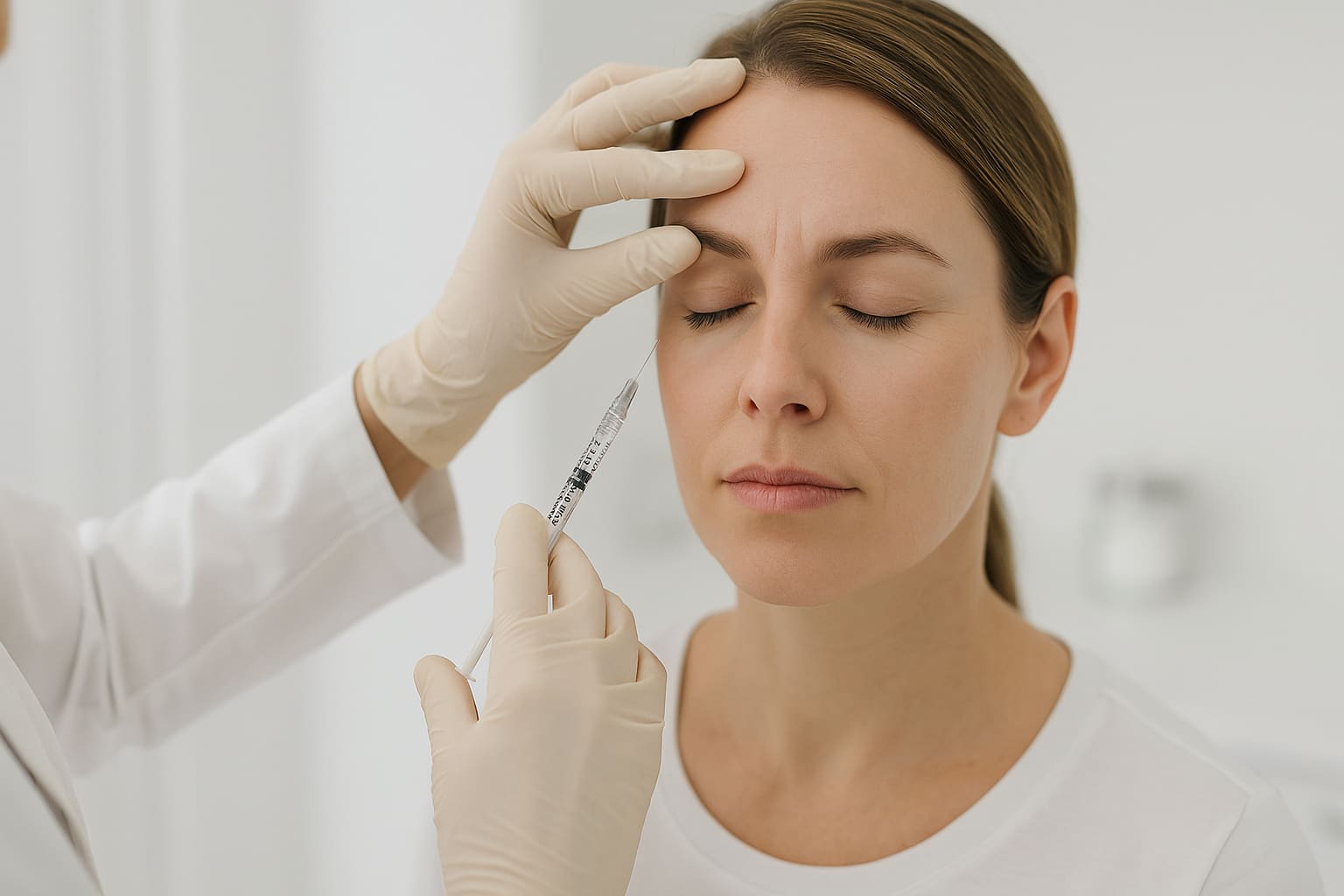
Botox, Dysport, and Xeomin work by interrupting the nerve signals driving repetitive muscle contractions, smoothing the lines they create while preventing new ones from deepening. At the right dose, in the right location, nobody looks done. They look like a rested version of themselves.
What We Treat
Precision Applications Across the Face and Body
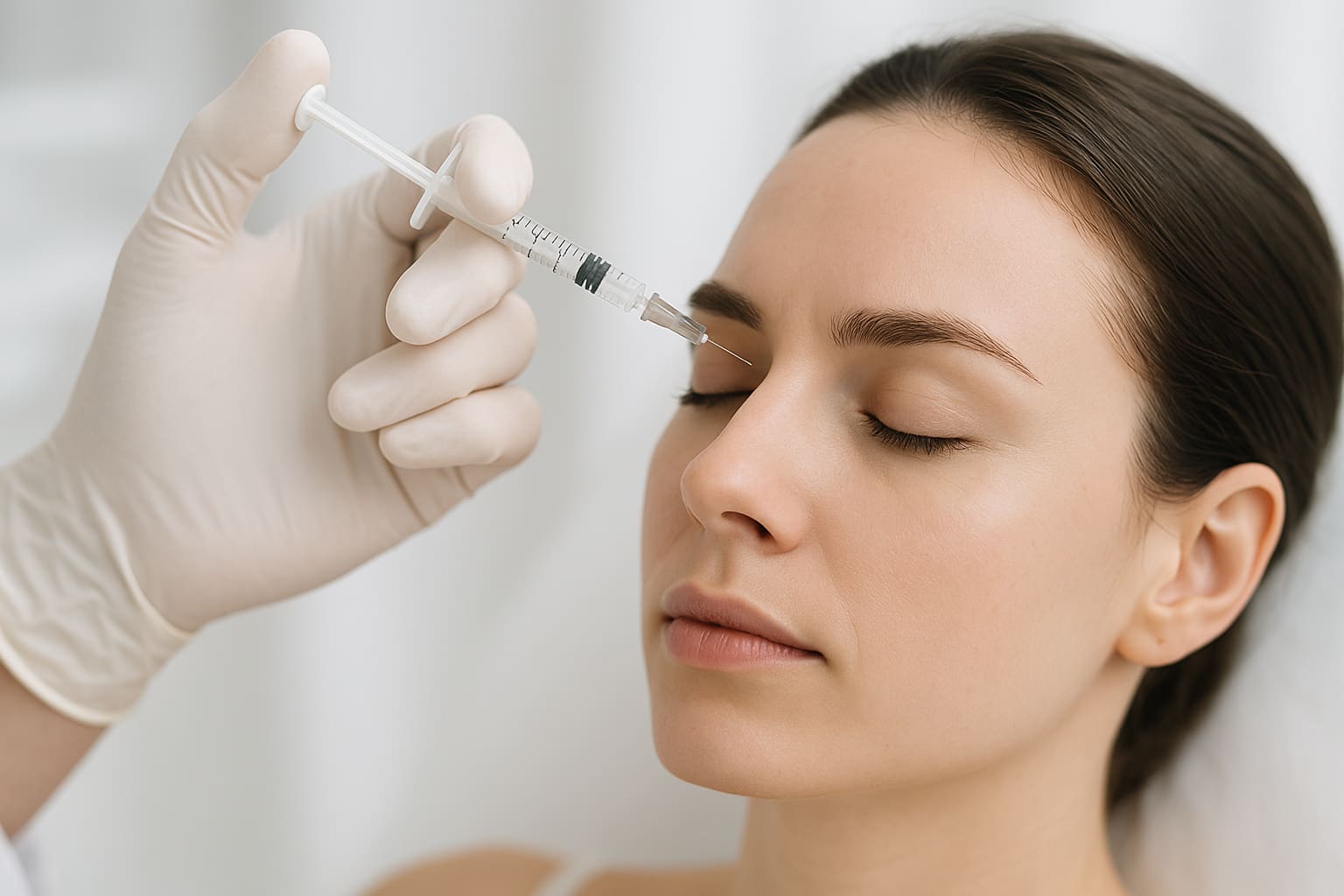
Neuromodulators, including botulinum toxin treatments such as Botox, Dysport, and Xeomin, are among the most researched tools in aesthetic medicine. Their versatility extends well beyond smoothing forehead lines, and in every application, placement precision and dose are everything.
- Forehead lines and horizontal creases
- Glabellar lines (the 11s between the brows)
- Crow's feet and periorbital lines
- Full-face neuromodulator planning when related movement patterns need balance
- Lip flip, lip lines, and mouth-area softening when movement is the driver
- Masseter reduction for jaw slimming and TMJ relief
- Hyperhidrosis treatment for excessive underarm sweating
The Full Treatment Map
Explore Treatment Types
This page covers one part of the broader Beauty Medica treatment system. Compare the main treatment types and the ones most often paired with this one.
Neuromodulators
Botulinum toxin treatments used for forehead lines, glabellar lines, crow's feet, selected lip-line support, and other movement-driven concerns.
Hyaluronic Acid Fillers
Used for lips, chin support, jawline contour, under-eye hollowing, and other support-led concerns when hyaluronic acid filler is the right fit.
Radiesse
Radiesse belongs in structure-first planning when projection, support, contour restoration, or firmer structural support is the real problem.
Sculptra
Sculptra belongs in selective restoration planning when Elena wants a longer-view collagen-building approach instead of a simple same-day filling move.
Threads
Threads are considered selectively and usually only after the main reason behind the concern is clear.
Laser
Laser protocols are chosen for the concern, the skin type, and the degree of resurfacing that fits the plan.
Chemical Peels
Peels are used when controlled exfoliation and resurfacing are the safer or smarter first move.
Skin Quality
Used when the skin itself is the lead concern, whether the goal is restoration, clearer texture, better tone, improved hydration, or preventive support.
Skin Boosters
A modality for skin resilience, hydration, collagen quality, and elastosis when topical care alone will not move the concern enough. Gouri is the named option when collagen-led skin quality is the issue; exosomes, Profhilo/Profilo, peptides, growth factors, and related cocktail language stay inside the same consultation frame.
Mesotherapy
Mesotherapy is treated as a delivery concept rather than one product. The visit sorts whether hydration support, collagen support, peptides, exosomes, Gouri, resurfacing, home care, or no injection is the best fit.
Suggested Next Steps
Often Paired With This Treatment
These combinations are common when Beauty Medica is building a sequenced plan instead of treating one issue in isolation.
How this connects
Concerns that often lead into wrinkle relaxers
This keeps neuromodulators connected to the specific concerns where movement usually leads, while still letting related areas stay easy to explore.
Often first
5 optionsConcern
Crow's Feet
Usually the cleanest first move.
See how this fitsConcern
Forehead Lines
Usually a movement-first concern.
See how this fitsConcern
Full-Face Neuromodulator Treatment
This stays inside neuromodulator planning rather than becoming a separate product category.
See how this fitsConcern
Glabellar Lines
The 11s usually start with wrinkle-relaxer logic.
See how this fitsConcern
Hyperhidrosis
Botulinum toxin is the relevant treatment family for excessive sweating when candidacy fits.
See how this fitsOften paired
1 optionSometimes relevant
3 optionsConcern
Jawline Sharpness / Contour Loss
Can support the plan when platysmal pull is part of the read.
See how this fitsConcern
Lip Definition
Sometimes used when muscle pull changes how the area reads.
See how this fitsConcern
Loss of Chin Definition
Used only when muscle pull is part of the read.
See how this fitsCommon area-led entry points
Area
Chin
Used when chin contour softened or lost separation.
Area
Jawline
The most direct entry when the jawline lost sharpness.
Area
Lips, Mouth Corners & Facial Plumpness
When the mouth area is reading older because of vertical lines.
Area
Body
Excessive sweating is often a body-area functional concern.
Area
Face
Eye-area lines often show up as a face-level concern.
Area
Lower Face
Jawline change often presents as lower-face change.
Named options discussed here
What to Expect
A clear process from consultation to maintenance.
1. Personalized Consultation
Your facial anatomy, movement patterns, and goals are reviewed first, then a custom dosing and placement plan is mapped.
2. Precision Treatment
Ultra-fine needles and strategic placement. Most sessions take 15-30 minutes with minimal discomfort.
3. Results Unfold
Initial changes appear in 3-5 days. Full effect settles around 2 weeks. No procedure artifacts after 24 hours.
4. Maintain and Optimize
Most patients return every 3-4 months. Longevity often improves with consistent treatment over time.
15-30
Minute sessions
3-5
Days to onset
2
Weeks to full effect
3-4
Months duration
Neuromodulator FAQ
Answers to the most common consultation questions.
Does it hurt?
Most patients describe it as a quick pinch. We apply topical numbing if you prefer.
Will I look frozen?
No. The goal is natural movement with softer lines, never an overdone result. Dose and placement are calibrated to your anatomy and how expressive you want to remain.
What's the difference between Botox, Dysport, and Xeomin?
All are FDA-approved botulinum toxin type A products. They differ in formulation and diffusion pattern. Beauty Medica recommends based on your anatomy, the treatment area, and your response history.
How many FDA-approved aesthetic botulinum toxin brands are there in the U.S.?
As of April 15, 2026, current FDA approval records indicate six aesthetic botulinum toxin brands are approved in the United States: Botox Cosmetic, Dysport, Xeomin, Jeuveau, DAXXIFY, and LETYBO. Beauty Medica recommends the product that fits your anatomy, treatment area, and response history rather than treating the brand name like the main decision.
What is the difference between treating the mouth area with a neuromodulator and with filler?
A neuromodulator helps when movement is the driver, such as vertical lip lines, an upper lip that tucks inward, or corners of the mouth pulling down. Filler helps when the issue is true support loss, border loss, or thinning. Some patients need one, some the other, and some a skin-first approach instead. The right choice depends on what is actually aging the area.
How often will I need treatment?
Most patients return every 3-4 months. With consistent treatment over time, many patients find their results last longer as muscles adapt.
Is there downtime?
Minimal. Most patients return to normal activities immediately with a few same-day precautions, no lying flat, no vigorous exercise for several hours.
I've seen Botox offered at a spa. What's the difference?
The product name may be the same, but the expertise is not. Neuromodulator dosing and placement require detailed anatomical knowledge. A few millimeters changes the outcome entirely. A board-certified medical provider is trained in anatomy, complication management, and candidacy assessment before any injection is performed. Your complimentary consultation determines whether a neuromodulator fits, which product and dose make sense, and how it belongs in the broader plan.
Design Your Neuromodulator Plan
A consultation maps how neuromodulators fit into your specific timeline, goals, and anatomy, not a generic protocol.